When a construction project goes wrong and property damage occurs, emotions can run high. Homeowners naturally want their damaged property to be repaired or replaced. However, a common point of friction arises regarding who pays for what.
In legal terms, property damage claims are governed by the principle of indemnity. The goal is to put the injured party back into the exact financial position they were in right before the damage occurred, no better and no worse. This means that a contractor is not legally liable for "betterment," but is only liable for the actual value of the property they have damaged.
What is Betterment? Betterment occurs when a replacement or repair increases the value of the property or extends its useful life beyond its original pre-damaged state.
A Practical Example: The 15-Year-Old Driveway
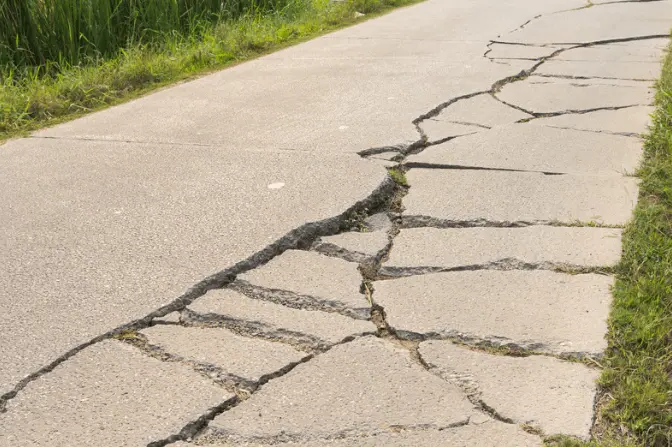
An excavator working at a residential property causes damage to the driveway.
Because of the extensive damage, the driveway cannot be patched, it must be completely ripped up and replaced. The total cost to replace the driveway comes to $15,000.
However, the original driveway was 15 years old and showed clear signs of wear and tear.
Under the law, the builder is not liable for the full $15,000 replacement cost. Here's why:
-
Betterment: If the builder pays $15,000 for a brand-new driveway, the client gets something that will last another 30 years. The client’s property value has been improved and they have been saved from the future maintenance costs they would have faced given the age of the driveway. This is "betterment."
-
Legal Liability: The builder is only liable for the value of what they destroyed, which was a driveway halfway through its useful life. If a standard driveway lasts 30 years, this driveway had depreciated by 50%. Therefore, the builder’s actual legal liability is capped at the indemnity value: $7,500.
How the Insurance Process Resolves This
Because the homeowner most likely has a replacement value insurance policy for their property, the correct process for them to follow is to make the claim on their house insurance first. Their insurer will pay the full cost of a replacement driveway.
The client's insurer then goes after the builder to recover their costs as well as the homeowner's excess. The builder passes this claim on to their public liability insurer.
In the end, the client gets their new driveway, the builder is only held legally liable for the actual value of the damage they caused, and the insurers absorb the commercial contractual differences, without affecting the homeowner's "no claim bonus".