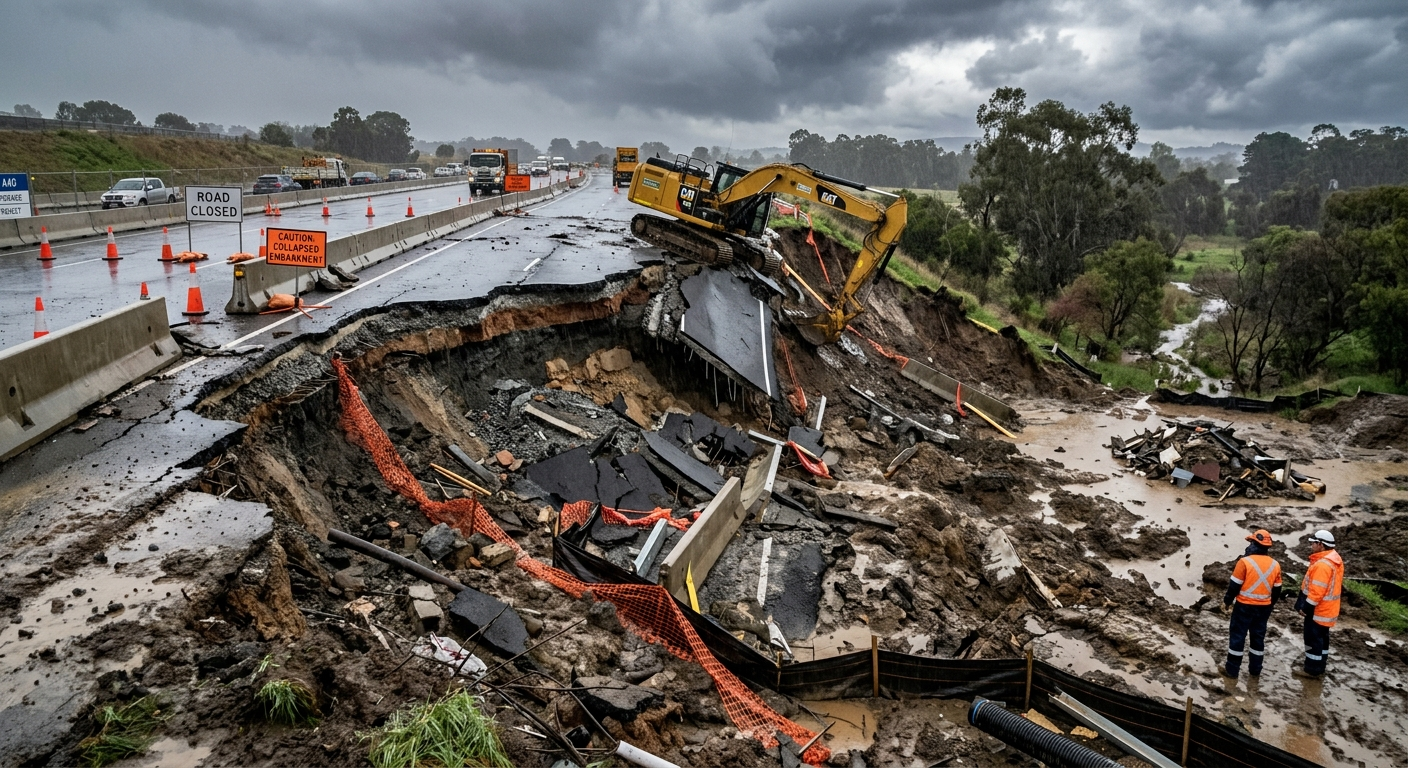
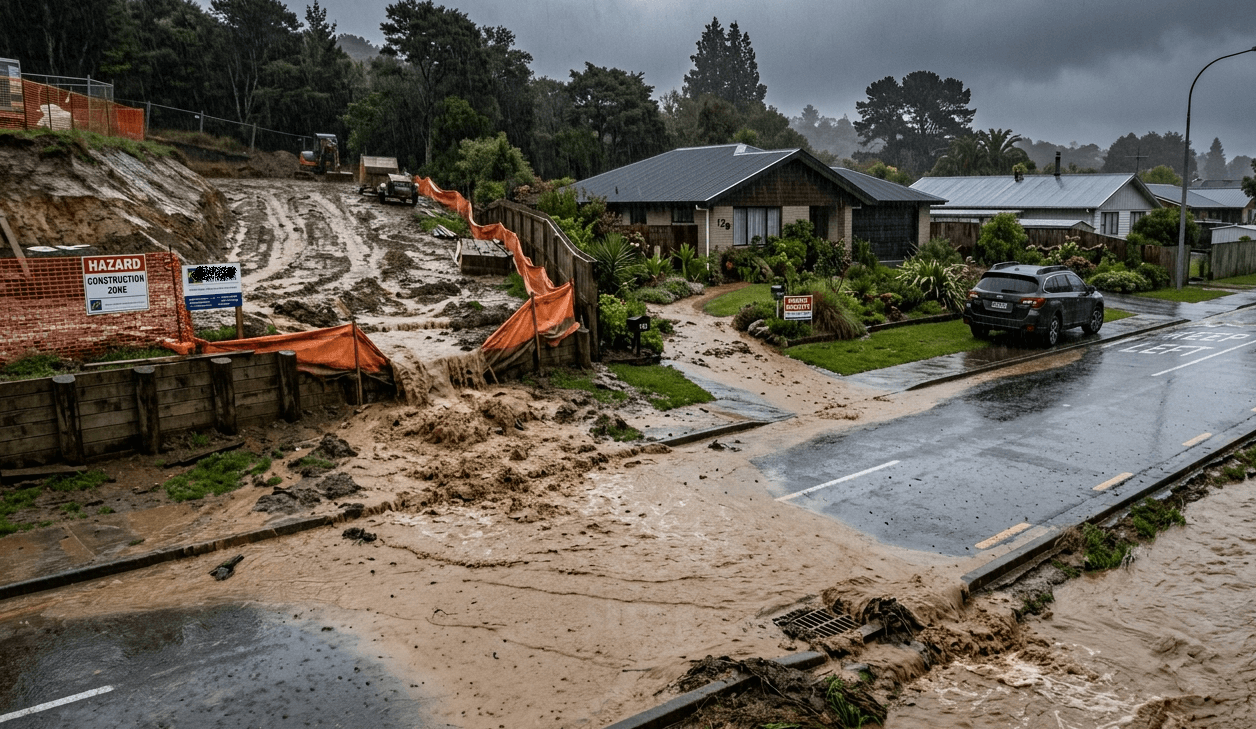
An Auckland developer was convicted of breaching their Resource Consent and fined almost $50,000. Site run off is a common example of a Resource Management Act breach. Statutory liability insurance no longer covers RMA fines.
Fire & Emergency Levy Changes Effective 1st July
From 1st July the compulsory Fire & Emergency Levy collected on every contract of insurance that covers fire will change. In many cases this will result in a reduction in the levy payable. The exception is on light vehicles, those insured for third party only (previously not levied) and some commercial buildings.
Insurer loses court battle over contract works insurance claim
In this case of a contract works insurance claim for storm damage the Court held that the insurers were liable for the remedial work to fix the damage, even though the same work was required to fix defective work.
Don’t pay more than you have to – what is “betterment”?
A builder is not legally liable for “betterment,” but is only liable for the actual value of the property they have damaged. In legal terms, property damage claims are governed by the principle of indemnity. The goal is to put the injured party back into the exact financial position they were in right before the damage occurred, no better and no worse.
Common gaps in public liability insurance coverage for construction contractors
For building contractors, public liability insurance is often seen as the ultimate safety net. It’s intended to protect you from the cost of accidentally damaging other people’s property. However, most liability policies contain exclusions that can leave contractors financially exposed in some circumstances. Understanding these critical gaps allows the contractor to be hyper-aware of the risk and implement other risk mitigation practices, so that the lack of insurance coverage never becomes an issue.
Understanding the Difference Between Employers Liability and Employment Disputes Liability Insurance
Two important but often confused types of insurance that help manage employee risks are Employers Liability and Employment Disputes Liability insurance. While both relate to your obligations as an employer, they protect you from very different threats.
Building under the new 70sqm “granny flat” exemption rules? Consider the liability and insurance implications
An exemption to the Building Act means single-storey, stand-alone dwellings less than 70sqm can be built without requiring a building consent. There are conditions to meet, so it’s critical builders understand that failure comply with these conditions could leave you exposed to liability.
Cyber Crime and Construction – The Risk Most Builders Don’t See Coming
When most construction business owners think about risk, they think about contract disputes, weather events, defective workmanship, staff injuries, or material price escalation. What they often don’t think about is cyber crime. In August 2021, the email account of a...
Dealing with Allegations of Defective Workmanship: The Gap That Catches Builders Out
One of the most common (and complicated) issues we see from builders isn’t good old fashioned accidental damage. It’s far more costly over time, in reputation, time and money: defective workmanship allegations and the inevitable question of who pays to put it right.
Builtin’s 10 tips to avoid an unpleasant surprise these holidays
It's easy to forget things when you're thinking about Christmas and the holidays, as well as rushing to finish off projects for demanding customers. Here are ten things you should remember: 1. Secure your sites before you go (and take your tools with you) They're...
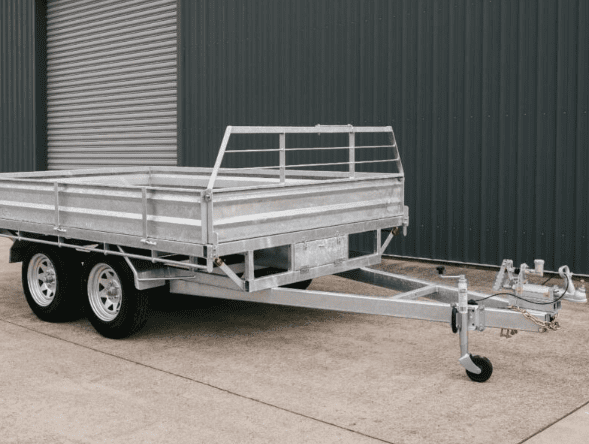
Are your trailers insured?
For the purposes of insurance anything that should be road registered is considered to be a vehicle. That includes trailers.
Statutory liability insurance will no longer cover RMA fines
From August 2025 the Government has made it illegal to insure fines levied under the Resource Management Act.