
Thank you!
We'll get back to you as soon as humanly possible. In the meantime, if you have any questions please get in touch.
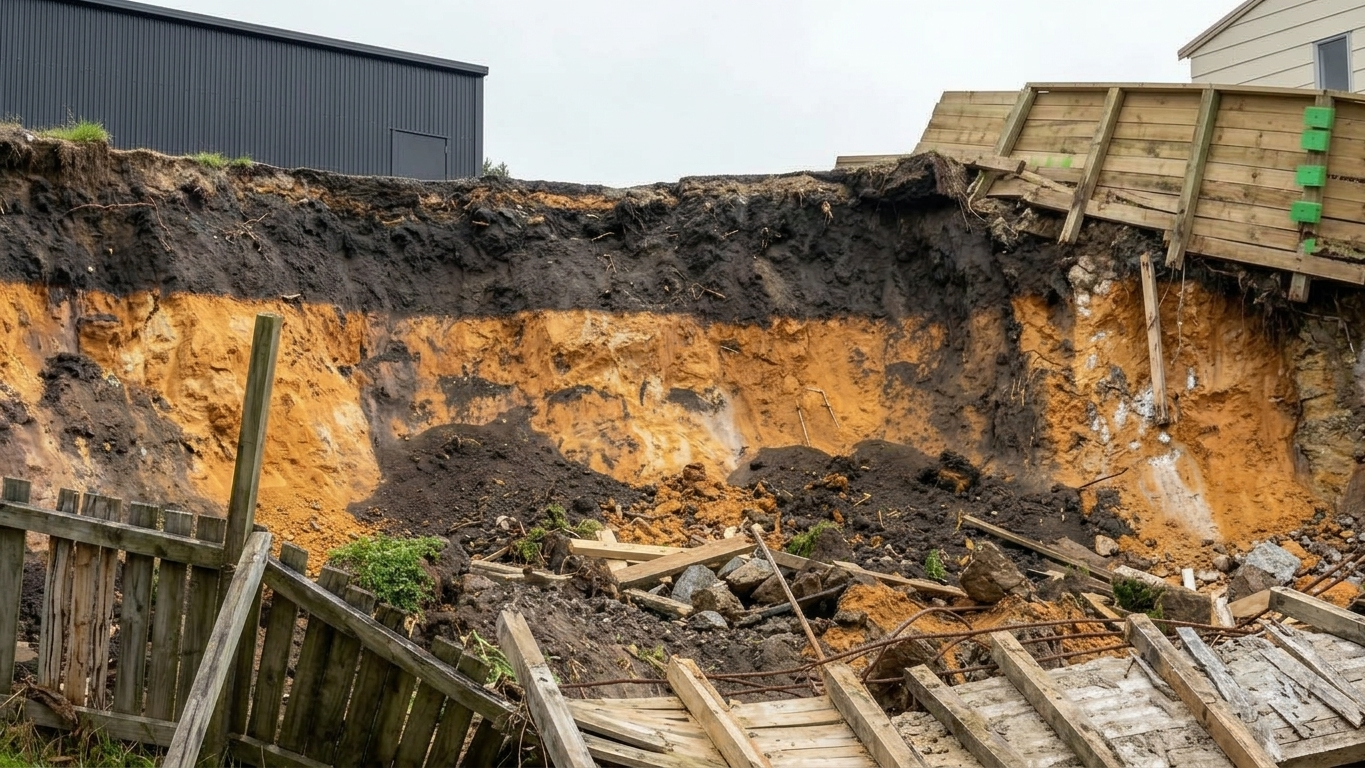
Retaining Walls and Limitations With Insurance
Retaining walls can be expensive structures and, when something goes wrong, the resulting damage can extend well beyond the wall itself. For builders and property owners, understanding the insurance position is important because the cover changes significantly between...

Auckland Developer Convicted of RMA Breach
An Auckland developer was convicted of breaching their Resource Consent and fined almost $50,000. Site run off is a common example of a Resource Management Act breach. Statutory liability insurance no longer covers RMA fines.

Fire & Emergency Levy Changes Effective 1st July
From 1st July the compulsory Fire & Emergency Levy collected on every contract of insurance that covers fire will change. In many cases this will result in a reduction in the levy payable. The exception is on light vehicles, those insured for third party only (previously not levied) and some commercial buildings.

Insurer loses court battle over contract works insurance claim
In this case of a contract works insurance claim for storm damage the Court held that the insurers were liable for the remedial work to fix the damage, even though the same work was required to fix defective work.

Court confirms builders can’t delegate their duty of care for building code compliance
In a recent case the Court of Appeal found that builders who assume responsibility for construction are, like Councils and developers, generally subject to a legal duty to ensure compliance with the Building Code, even if they have delegated the work to subcontractors. The Building Act already makes this clear for residential building work and builders can’t contract out of it.
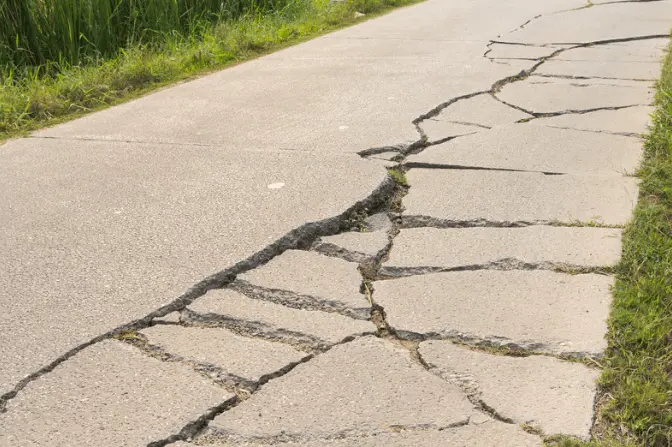
Don’t pay more than you have to – what is “betterment”?
A builder is not legally liable for “betterment,” but is only liable for the actual value of the property they have damaged. In legal terms, property damage claims are governed by the principle of indemnity. The goal is to put the injured party back into the exact financial position they were in right before the damage occurred, no better and no worse.