
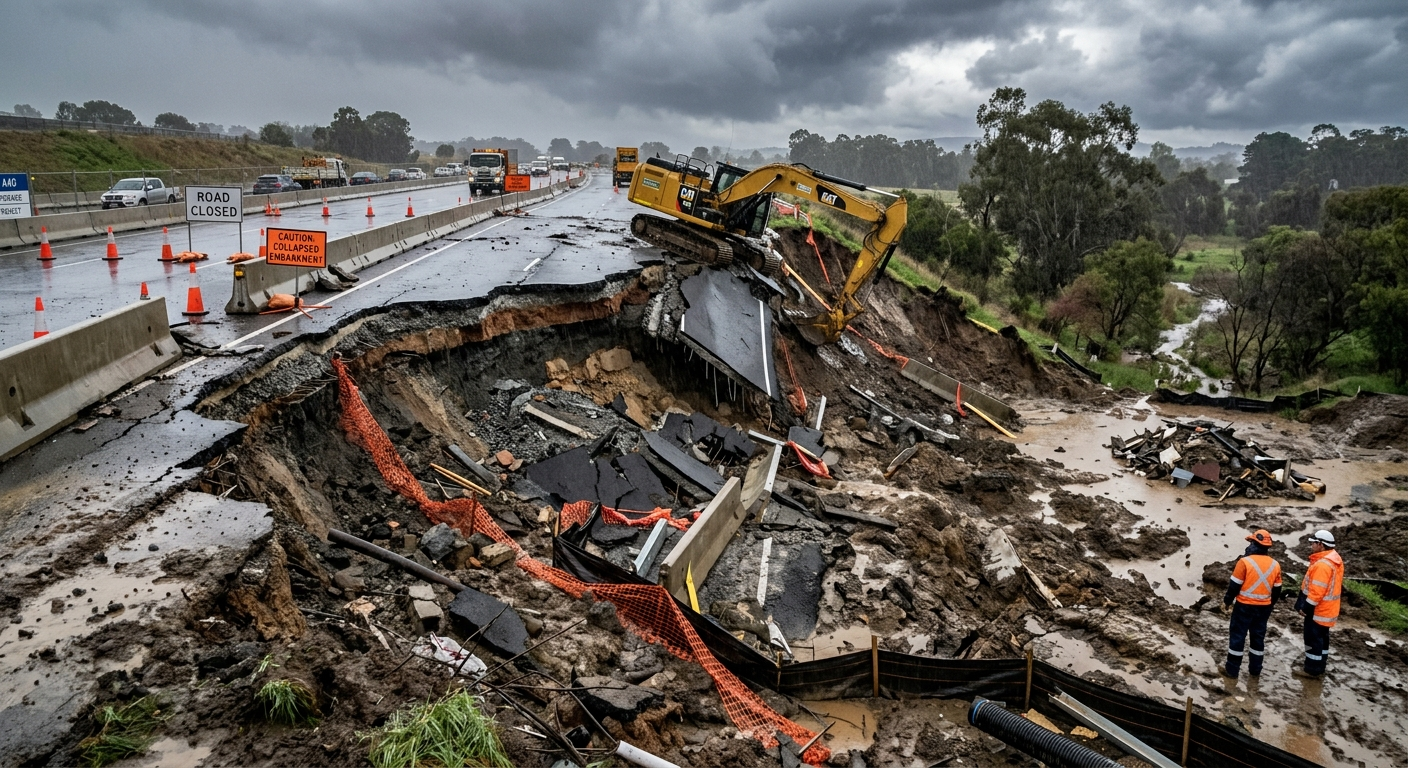
In this case of a contract works insurance claim for storm damage, the Court held that the insurers were liable for the remedial work to fix the damage, even though the same work was required to fix defective work.
The dispute concerned an embankment on a roading infrastructure project, which collapsed after a storm. The insurers declined cover for the remediation costs. They pointed out that the embankment was defective due to non-conforming fill. They argued that the contractor was contractually obliged to rectify that defect anyway, so they should bear the cost.
The Court's expert disagreed and held that the insurers were liable for the remedial work to address the damage, even though that same work was required to address the construction defect.
Significantly, on the policy wording, they said “there was no dispute that provided damage was identified and required repair, the policy would respond, even if there were also defects requiring repair”.
The insurers argued that the repair works were only required due to the defective fill. But the Court did not agree. The repair work was carried out for two purposes: a) to repair the defect, and b) to repair the damage within the policy coverage.
This decision turned upon the policy wording, which provided cover for the cost of repairing the damage, even if the work also repaired the construction defect. The outcome would likely have been different if the policy had a stronger defect exclusion, which clearly excluded cover in cases of overlap.
With a clear exclusion, the principle that an exclusion prevails when a loss has concurrent causes (one of which is covered and one of which is excluded) may have applied.