At Builtin, one of the most common gaps we find on a new client’s schedule is self-propelled plant listed on the wrong policy. It looks fine on paper and the premium gets paid every year. Then something gets stolen or damaged and the claim is declined. The cause is usually a single line in their material damage or tools and mobile business assets wording.
This is especially a problem when individual items don’t need to be listed because the policy has a total sum insured covering all the tools, equipment & plant.
What the Exclusion Says
Most material damage and tools and mobile assets policies exclude mechanically or electrically propelled vehicles. Plenty of tradies read that as “utes, vans and trucks”, which go on the commercial vehicle policy anyway, and assume their other gear is fine.
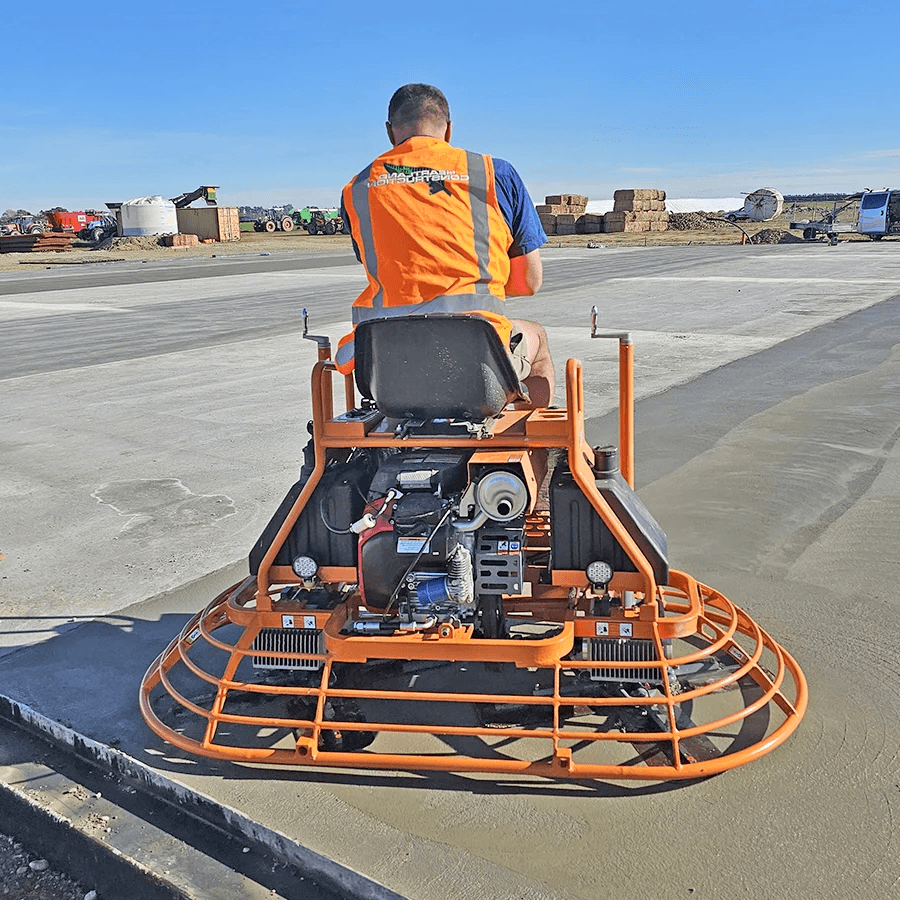
We recently put this to the test. A concrete contractor client had a ride-on concrete trowel and we asked the insurer whether it could sit on the mobile assets policy at replacement value. Our argument was that a ride-on trowel isn’t a “vehicle” in the ordinary or legal sense.
The insurer declined and their reasoning is worth knowing:
- The trowel is self-propelled, so it falls within the exclusion
- The exclusion isn’t limited to road vehicles or anything that has to be registered
- The wording excludes road-registered vehicles and mechanically propelled vehicles generally. Having both shows the intent is to exclude a broader class of self-propelled equipment
So, whether the item meets your definition of a vehicle isn’t the test. Being mechanically propelled is enough. The insurer’s view was that the trowel belonged on the mobile plant section of the commercial vehicle policy. Wordings differ, but you should assume most insurers will take the same line.
Two Classic Examples
Concrete contractors. Ride-on power trowels, power buggies, site dumpers, laser screeds and ride-on rollers are all mechanically propelled. A $45,000 ride-on trowel stolen from site could be declined if it’s sitting on the tools policy.
Landscapers. Ride-on and zero-turn mowers, compact tractors, mini loaders and tracked barrows are caught too. A ride-on mower might never leave a client’s lawn or need to be registered, but that doesn’t take it outside the exclusion.
Other Examples
The same applies across construction. Common examples include:
- Builders and civil contractors: mini diggers, skid steers, tracked dumpers, telehandlers
- Access, painters, electricians and roofers: self-propelled scissor lifts and boom lifts
- Drainlayers and excavation: mini excavators, ride-on trenchers
- Flooring and site prep: ride-on floor scrapers, ride-on sweepers and scrubbers
- Anyone with a yard: forklifts and pallet movers
Towed or hand-pushed gear (concrete mixers, generators, compressors, walk-behind plate compactors) usually stays on the tools policy. Self-propelled walk-behind units are a grey area but best to be on the vehicle policy. Ask us about those.
Further Implications: Liability
Cover for damage to the item itself is obvious. Less obvious is cover for your liability if those items cause damage. If a scissor lift clips a building or a mini loader broadsides a neighbour’s fence, your public liability policy will also exclude damage caused by vehicles or mobile plant when they are being operated as a vehicle (as opposed to being operated for their specialised purpose). The commercial vehicle or mobile plant policy is typically where the third-party liability cover sits in that case.
Market Value vs Replacement Value
Tools policies often pay replacement value. Commercial vehicle and plant policies more commonly cover the vehicles for their market value (ie. depreciated). That’s why many people would prefer to keep plant on the tools policy. But cover that responds to the market value is better than cover that doesn’t respond at all. Setting realistic agreed values and reviewing them when you upgrade gear, closes most of that gap.
In a Nutshell
The “mechanically or electrically propelled vehicles” exclusion can catch you out. It isn’t limited to road-registered vehicles and whether the item is legally a “vehicle” isn’t the test. If it moves under its own power, put it on the mobile plant section of your commercial vehicle policy. If you’re not sure where your gear sits, send us your asset list or call 0800 284 584 and we can advise you.